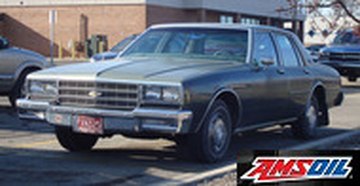
Lubrication Maintenance for the 1981 Chevrolet IMPALA 5.7L
Maintaining a vehicle from the early 1980s requires a proactive approach to fluid management and mechanical inspection. For owners of a 1981 Chevrolet IMPALA equipped with the 5.7L engine, consistent attention to lubrication systems is a fundamental aspect of long-term engine health. Because older engines may exhibit different sealing characteristics or material behaviors compared to modern vehicles, understanding how to monitor and respond to changes in lubricant condition is essential for effective ownership.
Monitoring Fluid Integrity and Potential Leaks
One of the most practical maintenance tasks for this vehicle involves regular visual inspections of the engine area. Over time, various gaskets and seals may undergo changes due to heat cycles and age. It is useful to inspect these components for any signs of seepage or active leakage. Rather than waiting for a significant loss of fluid, observing the cleanliness of the engine block and surrounding components can provide early indications of where maintenance might be required.
When performing these inspections, look for:
- Dampness or residue around sealing surfaces.
- Evidence of fluid pooling in the lower areas of the engine compartment.
- Discoloration on the exterior of hoses or connections that may suggest a slow seep.
If you notice any changes in the amount of lubricant required between service intervals, it warrants further investigation. It is important to remember that various factors can influence fluid levels, and a change in consumption should be addressed by examining the engine's overall condition rather than assuming a single specific component has failed.
Effective Long-Term Maintenance Strategies
For an owner of a 1981 Chevrolet IMPALA, establishing a maintenance baseline is one of the most effective ways to manage the vehicle's longevity. If you have recently acquired the vehicle and do not have access to a detailed service history, your first priority should be to document its current state. This involves noting the condition of all fluids, the presence of any existing leaks, and the general cleanliness of the engine bay.
Once a baseline is established, you can better identify when changes occur. Maintaining a dedicated log of oil changes, filter replacements, and other service tasks allows you to track patterns. For example, if you notice that the frequency of fluid top-offs increases over several months, your records will help you determine exactly when that trend began. This data is invaluable for distinguishing between normal aging and issues that require immediate mechanical attention.
Prioritizing maintenance should be based on the actual condition of the vehicle rather than just its age. While some components may naturally become more fragile over decades, an engine that has been consistently serviced will have different needs than one with an incomplete history. Focus your efforts on addressing active leaks or any observed changes in fluid appearance first, then move toward preventive measures like inspecting aging belts or hoses if they are present.
Observing Changes in Lubricant Condition
The physical appearance and behavior of the engine oil can provide significant information about the internal state of the 5.7L engine. During routine checks, it is helpful to observe the lubricant's color and consistency. While some darkening is expected as oil undergoes its service life, extreme changes or a gritty texture should be investigated.
Be aware of several indicators that may suggest the need for closer inspection:
- An unusual odor coming from the engine area during or after operation.
- Changes in how the engine sounds during startup or idling.
- Visible smoke from the exhaust, which can be associated with various internal conditions.
If you encounter any of these symptoms, they should be treated as a prompt for professional diagnosis. Symptoms like unusual noises or smoke are not definitive proof of a specific part failure; they are signals that the engine's operating environment has changed and requires a thorough evaluation to determine the root cause.
Managing Aging Engine Components
As vehicles age, certain materials such as rubber and various sealants can lose their flexibility. For the 1981 Chevrolet IMPALA, this means that routine inspections should extend beyond just the oil itself. If equipped, inspect accessible drive belts for signs of cracking, glazing, or fraying. Similarly, if the vehicle is equipped with various coolant or vacuum hoses, check them for brittleness or soft spots that could indicate impending failure.
Electrical connections and wiring harnesses should also be monitored. Over several decades, insulation can become brittle, potentially leading to connectivity issues. Ensuring that connectors are secure and free from significant corrosion is a helpful part of a comprehensive maintenance routine. By addressing these age-related factors through observation rather than guesswork, you can manage the vehicle's needs more predictably.
Selecting Lubricants for the 5.7L Engine
When it comes to choosing an engine oil, the goal is to match the product to the specific requirements of the application. For a 1981 model, there are several formulations available in the modern market that may be appropriate depending on the engine's current condition and your driving habits.
Some owners choose conventional oils for their straightforward properties, while others may look toward synthetic blends or full synthetic options. Synthetic lubricants are often noted for their thermal stability and resistance to oxidation. Additionally, if an engine shows signs of aging, some high-mileage oil formulations contain additives intended for use in aging engines, including seal-conditioning additives that may help maintain the integrity of older seals.
Regardless of the formulation you choose, always verify that the product meets the appropriate API certification standards. This ensures that the oil provides the necessary level of protection and deposit control required for internal engine components.
Practical Advice for Buying Engine Oil for your 1981 Chevrolet IMPALA 5.7L
To ensure you are providing the correct lubrication for your engine, always match the engine oil to the application-specific viscosity information already displayed on this webpage. Do not rely on general automotive knowledge or assumptions based on the vehicle's age to determine the correct grade. Instead, use the specific details provided in the technical data above to guide your purchase.
When you are ready to buy engine oil, check the product labels carefully to confirm that the viscosity and service ratings align with the requirements listed for this 5.7L Chevrolet engine. Whether you decide on a conventional, synthetic blend, or high-mileage formulation, the most critical factor is adhering to the specific application information provided here to maintain proper lubrication performance.